



 Topic Resources
 KEYpoints
Image



Designed to assist parents/caregivers in planning and hosting responsible parties with teenagers under 18 years of age. It provides tips about communicating with teenagers and factors you might consider before allowing your teenager to host...

Adolescence is a time of substantial development within the brain, and emerging evidence shows the negative impact alcohol can have on the developing brain. The developing brain During adolescence the brain makes three major changes...

Changing the way you drink alcohol can have many health benefits. It can also have positive flow-on effects for the young people in your life. For adults who choose to drink alcohol, role modelling lower-risk...
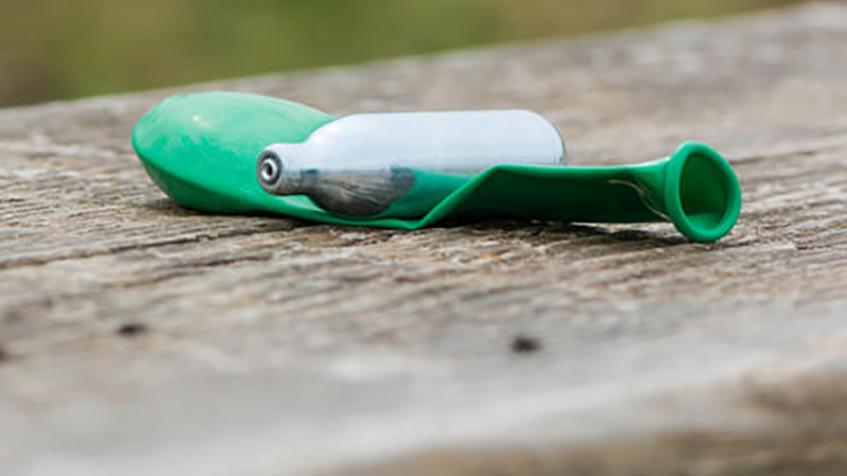
Nangs, bulbs, whippets and laughing gas refer to nitrous oxide (N 2O), a gas that when inhaled can cause giggle fits, short euphoria, sound distortions, blurred vision and loss of coordination. Nitrous oxide is considered...











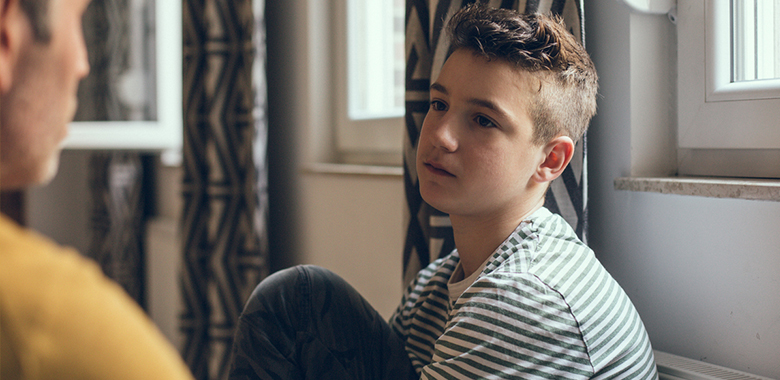
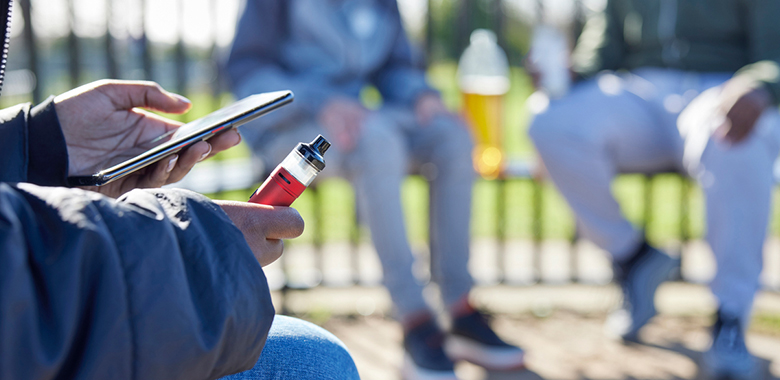


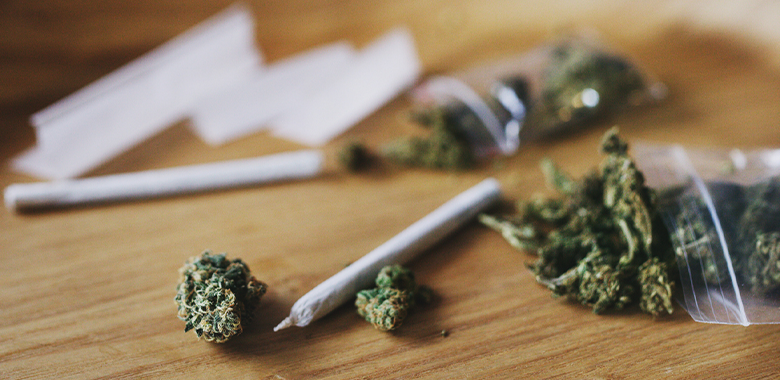
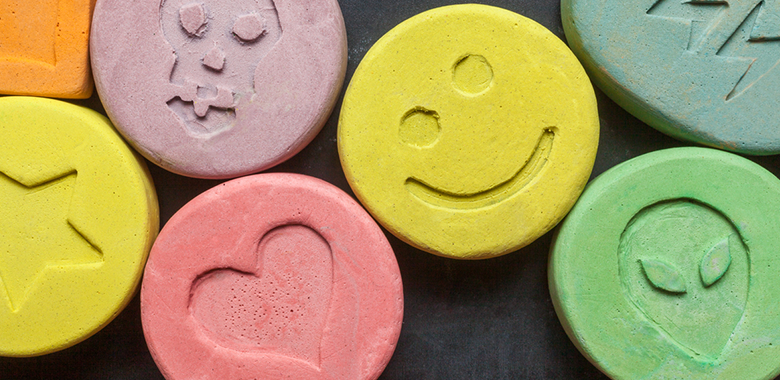
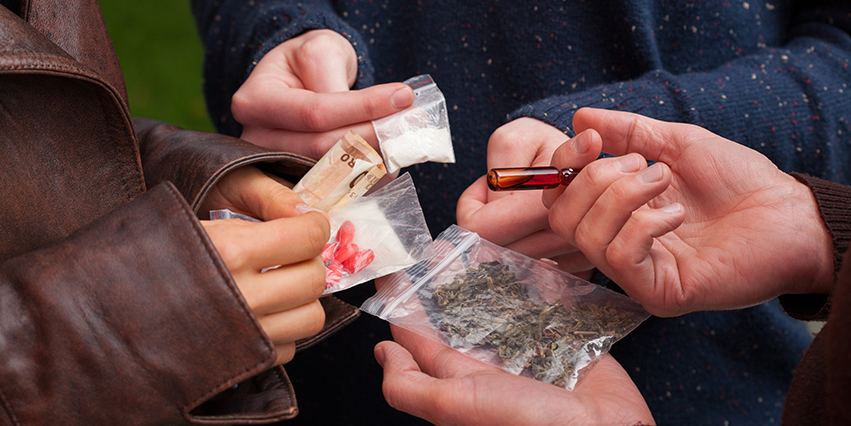


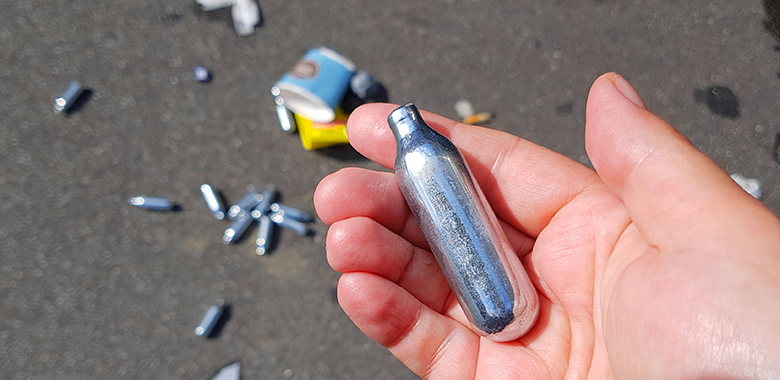




Experimentation with substances such as alcohol, vaping or drugs can be a common part of adolescence, but for some young people, occasional use can quickly develop into risky or harmful patterns. Curiosity, peer influence and stress are often contributing factors, while today's easy access and social normalisation make early exposure more likely. Substance use can affect a young person's mood, judgement, learning and relationships and may signal deeper issues such as anxiety, trauma or low self-esteem. Adult carers play a vital role in prevention by staying connected, recognising early warning signs and keeping conversations calm, honest and supportive. With awareness, guidance and care, families can help young people make safer choices and develop healthy coping skills that protect their wellbeing into adulthood.


 Full Videos
 All Topics
 Feedback